how KPV may ease swelling
KPV Anti-Inflammatory Mechanism: how swelling changed in early tests
KPV is a short piece of a body hormone. You'll see how it entered cells, what changed afterward, and why no one knows if people benefit.
Stations
What may help KPV ease swelling
KPV peptide is a short piece of a hormone that can ease swelling. This page follows three findings from cells and mice.
First, a carrier in the gut wall moved KPV into cells. Those cells then made fewer substances that start swelling and draw white blood cells.
KPV also worked when mice lacked the usual attachment place for the full hormone. I'd call that an early result, because no person like you was tested.
What moves KPV into cells along the gut wall
These tests used bowel cells and mice, so they leave human use unknown. A protein along the gut wall carries small bits of protein into cells [1].
The carrier brought KPV inside the bowel lining [1]. More of it appeared in inflamed tissue, which might let extra KPV enter there.
A 2024 mouse study placed KPV in a tiny gel bead aimed at the carrier [15]. The bead also held medicine that held back the immune system.
Mice with brief or lasting colitis, meaning bowel swelling, became less sick. Their gut walls leaked less, but people haven't tried the paired treatment.
Around 10 nanomoles per liter, a tiny lab amount, eased swelling in bowel and immune cells [1]. That cell amount can't tell you what any person could use.
What the gut-wall carrier does with KPV
A carrier in the gut wall moves small protein pieces into cells [1]. Sore bowel tissue had more of that carrier, so more KPV might enter.
Researchers now aim some KPV forms at the extra carrier [15]. A result in cells doesn't show that KPV reaches the same place in you.
One question stays open for your care. No one knows whether your body would move KPV the same way.
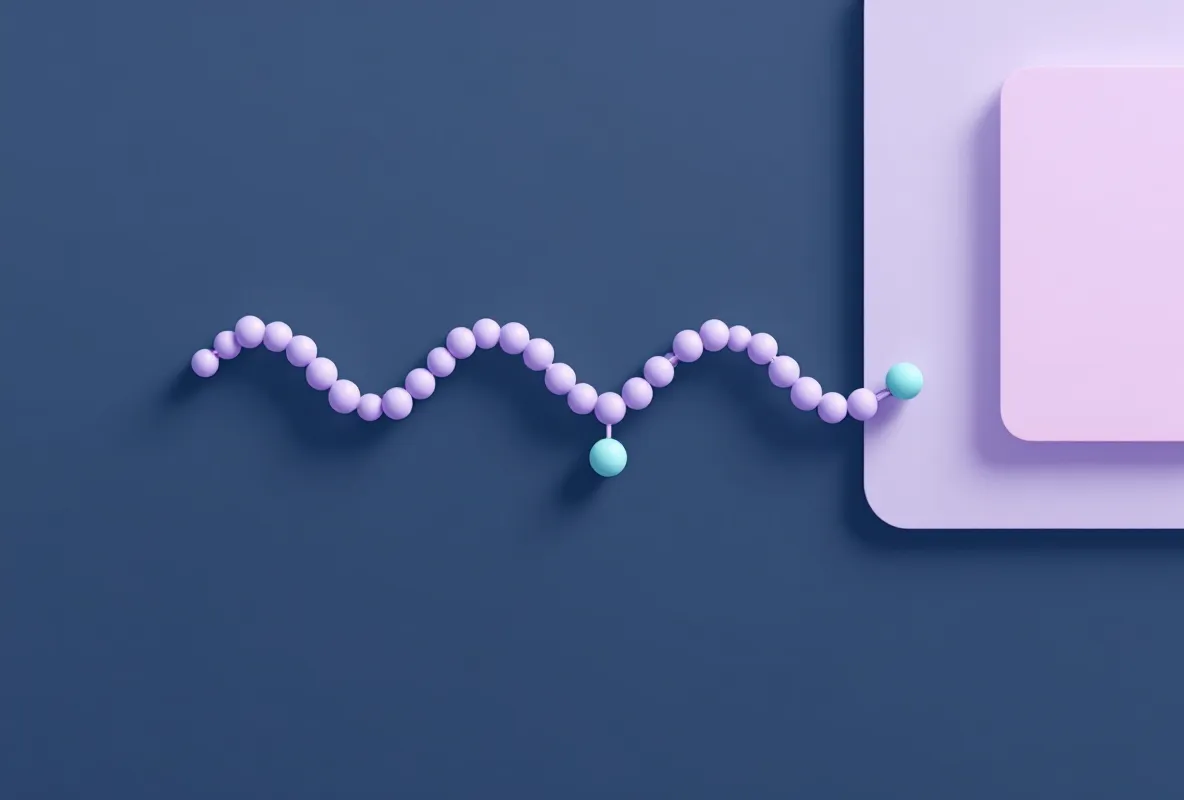
What KPV slows after it enters a cell
The cell work was brief and didn't test a whole person. With KPV present, cells made less of a substance that starts swelling [1].
A close cousin of KPV caused the same change [7]. A broad review found a similar calming effect among other pieces of this hormone [4].
The treated cells also made fewer substances that keep swelling going [1][3]. In animal tests, sore tissue had less swelling.
When long lab names come up, ask what changed in patients, whether that change matters to your health, and how long someone would watch you once you returned home. You can take those questions with you.
How does KPV reduce inflammation in early work?
KPV made bowel and immune cells produce fewer substances that cause swelling [1][3]. Animals with swollen tissue also improved, but the animals weren't people [1][2].
Researchers think KPV blocks one early step that leads to more swelling. They don't know whether the same thing happens in your body.
Ask whether any patients were tested. The reply tells you how firmly the clinic can make its claim.
What KPV keeps from the full hormone
The last part of a hormone that affects skin color contains KPV [4]. Early tests found a calming effect without darker skin.
KPV is part of that hormone, not a new hormone made by the body [4]. No test in people has confirmed the effect.
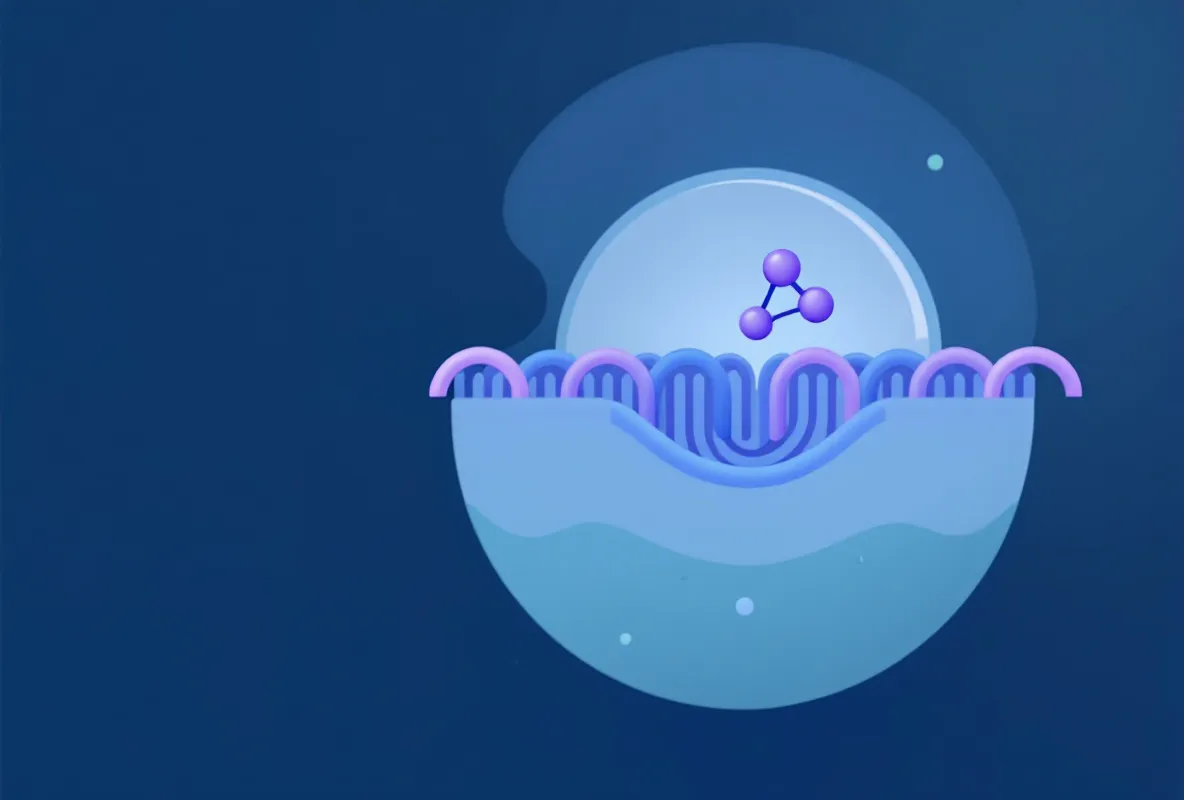
What KPV changed without the hormone's usual attachment place
The clearest evidence came from mice with colitis, not from people. KPV still eased bowel swelling when the mice lacked the place where the full hormone normally attaches to a cell [2].
A separate test showed that fewer white blood cells moved into sore tissue after KPV [3]. KPV didn't act the same way as other parts of the hormone.
Researchers think KPV may block a substance that drives more swelling. They haven't proved every step between KPV and that change.
The difference may explain why KPV eased swelling without darkening skin [4]. It still can't show whether KPV helps any illness in people.
What KPV does not do to skin color in early tests
KPV eased swelling without the skin-darkening effect of the full hormone [2][4]. It worked even when mice lacked the hormone's normal attachment place on a cell.
That result sets KPV apart from compounds studied for tanning. It doesn't prove that people would avoid every skin effect.
Your skin may react differently from mouse tissue. This early work can't give you a human safety answer.
What researchers changed in a close cousin of KPV
Researchers made a close cousin of KPV by changing its middle and final amino acids. The new three-part chain wasn't KPV.
Scientists tested both forms for bowel swelling and damage to the gut wall [7]. The two changes might make the cousin last longer or act another way.
In cells, that cousin reduced a substance that helps swelling spread [7]. The finding may guide more work, but your doctor still has no human trial.